
Interview #71: Baseball Notes with Clint McGill
Former Astros Minor Leaguer turned youth confidence coach
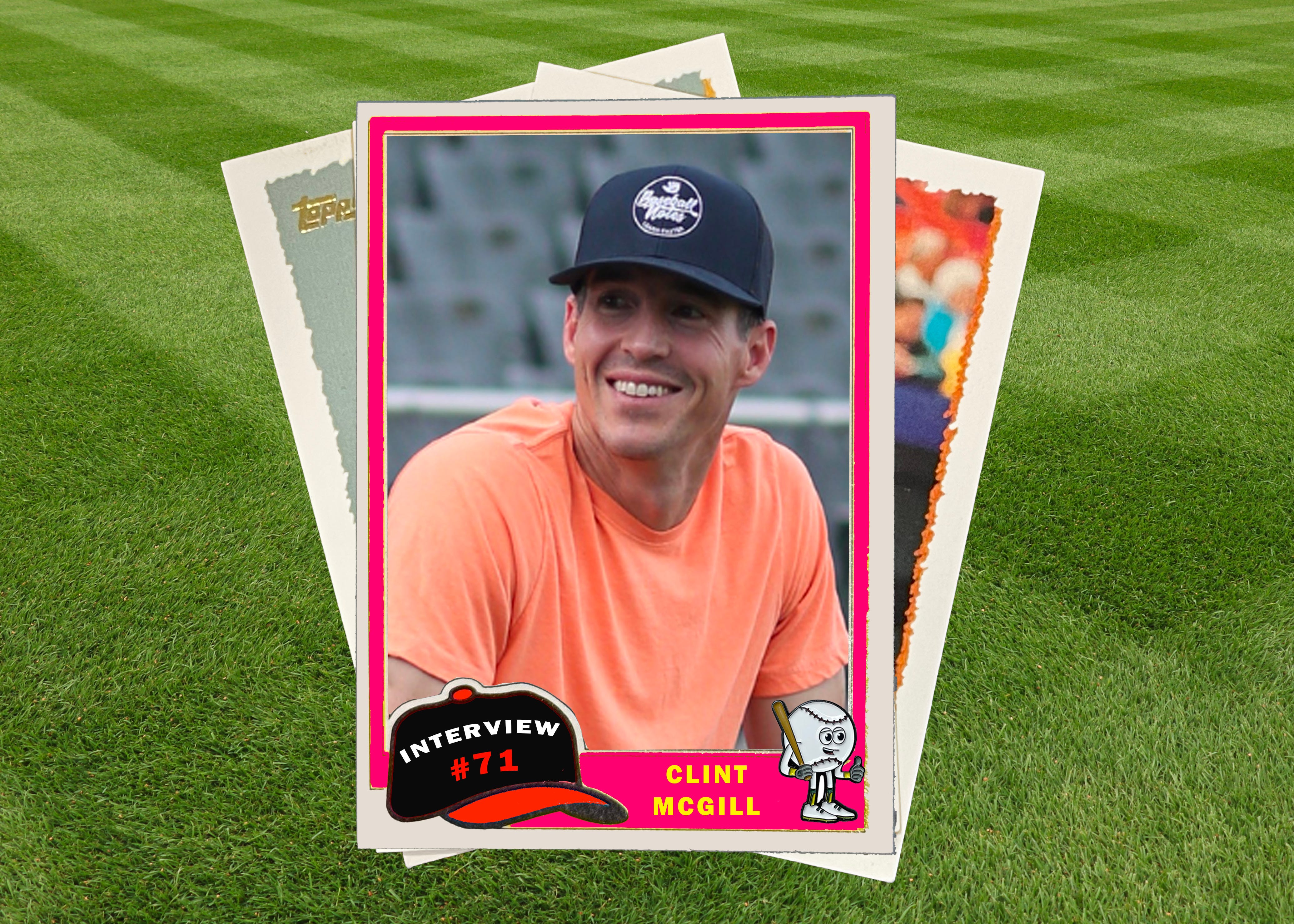
Clint McGill is a former professional baseball player who willed his way onto a pro team. Undersized at every stop on his journey, his stubbornness and perseverance kept him primed to seize every opportunity to advance that presented itself. He didn’t get regular varsity time until his senior year in high school, went to a community college and a couple universities, undrafted and eventually earned a spring training invite for the 2005 season. Listed at 5’10”, 175 pounds on his Baseball Reference page, he played one season of A-ball for the Lexington Legends in the Houston Astros system. They ultimately decided he was too tall to be their second baseman and found Jose Altuve a couple years later…
His true baseball calling is his work with Baseball Notes, which aims to help youth baseball players rethink doubts and fear into confidence and resilience. If you played baseball, you know how frustrating the sport is even for the best athletes, and looking back, the lessons about fighting through failure and self-doubt are invaluable later in life. But actually living through it, especially as a pre-teen experiencing those ups and downs, it can be hard to see the silver linings. Over the years, Clint’s program has helped many players, their parents and coaches in this often misunderstood part of the game.
We talked about his path to becoming a pro, pivoting after his career ended and being on a team with Hunter Pence and Ben Zobrist at the beginning of their All-Star careers. You can check out his website here: Baseball Notes
Note: Some answers have been lightly edited for length and clarity. Interview was conducted on 1/9/26
A Small Kid from a Small Town
Who got you into baseball?
So you look back and you never remember what life was like without it, right? My dad was a cowboy, but he was also a baseball player. My older brother went full cowboy and I went full baseball. I’d be working for them, and once I would get the steers loaded up, I would pick up a rock and hit it with a bat. I was just baseball from the beginning. Grew up in central California, big Giants fans. My dad would always have it on the radio if we were outside working, or on the TV if we were inside, go to a couple games a year, Candlestick was where they played at the time. That was kind of like my Disneyland, right? Once or twice a summer we’d go up there and I just loved it. That was what all my free time was, my dad was great about playing catch with me and throwing me batting practice. I always had somebody to play with. His love for that and having that presence in the house made it a no-brainer. I liked all sports, but baseball was number one. It came mostly from my dad.
Is your brother younger or older?
Older. He’s a year-and-a-half older. People used to think we were twins, so we were super close. He played ‘til like 12, but it was never his deal. He wouldn’t do it in his free time. He always had his cowboy boots on. He played a little bit, but it didn’t bite him like it did me.
What do you think hooked you? I mean, you did the cowboy stuff, too…
Yeah, I don’t know. It’s interesting. I don’t know. I worked at it, so was a little bit better. And then being good at something helps you to do more. He would not practice, and then go to the games and just do fine. But he was naturally better at rodeo or team roping. I think you naturally start to get drawn in by what you’re good at. If I was good at checkers and beating people at checkers, maybe checkers would have been my sport, you know? But baseball had a couple early wins for me. I just liked it.
So growing up in a small ag town, gone to a small high school and all that. How did you work to keep getting better? You went to a small college, and then you went to, Loyola and Texas Tech, right?
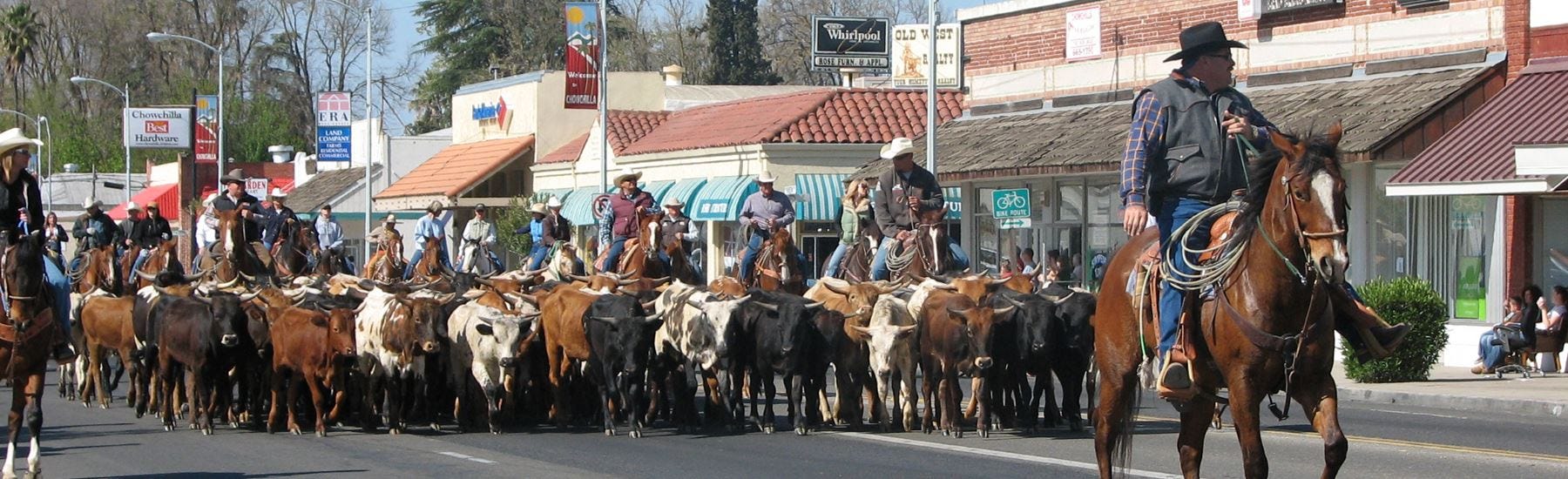
I started out at Chowchilla High School, which is the city I grew up in. Chowchilla is a tiny little town. And my defining feature as a kid was being very small. I was like Hall of Fame of late bloomers, right? My driver’s license said 5’2”, 100 pounds, and I was lying because I didn’t want to say I was 90-something pounds. Growth spurt was not happening. I was a decent hitter when I was a Little Leaguer, but now on the major high school-size field, I couldn’t do anything really. I could make contact, might squeak through the infield.
I didn’t play as a freshman. I didn’t play as a sophomore until some guys got called up to varsity. Junior year I didn’t play. Senior year I played, I started. I got a little bit of a growth spurt before my senior year, so I was now like 5’7, 130, right? Real big guy, there. I only played because two guys quit. Somebody had to play short. And that was one thing that I look back on being like, man, I’m so proud of that guy because I knew that I couldn’t hit with everybody, but I can’t be second place with my glove. I have to be the best defender. It doesn’t take size. I was very good with my glove. I practiced at home all the time. I was a good shortstop. Then once the opportunity came, I got off to an extremely hot start my senior year, I think I went like 8/11 or something out of the gates. Whoa, wait, maybe I can do this with a little bit of size. It was really encouraging.
I graduated from Chowchilla High School. And, if you go to Chowchilla High School and do well, still you’re pretty much done, you know? The best guys go to junior college; that’s once every few years a guy will do that. I was like, I still want to play. I still felt like I was just tapping into potential. If I get even bigger, maybe I can do more. I went to Fresno City College, which on my resume, that’s a really easy one to overlook, but that was the biggest swing of my career. Like, I’m not just going to go to regular junior college, I’m going to go to Fresno City because they are the best baseball program in the area. I don’t know how I’m going to beat out some of these Fresno kids, but I’m going to go there, I’m going to try it.
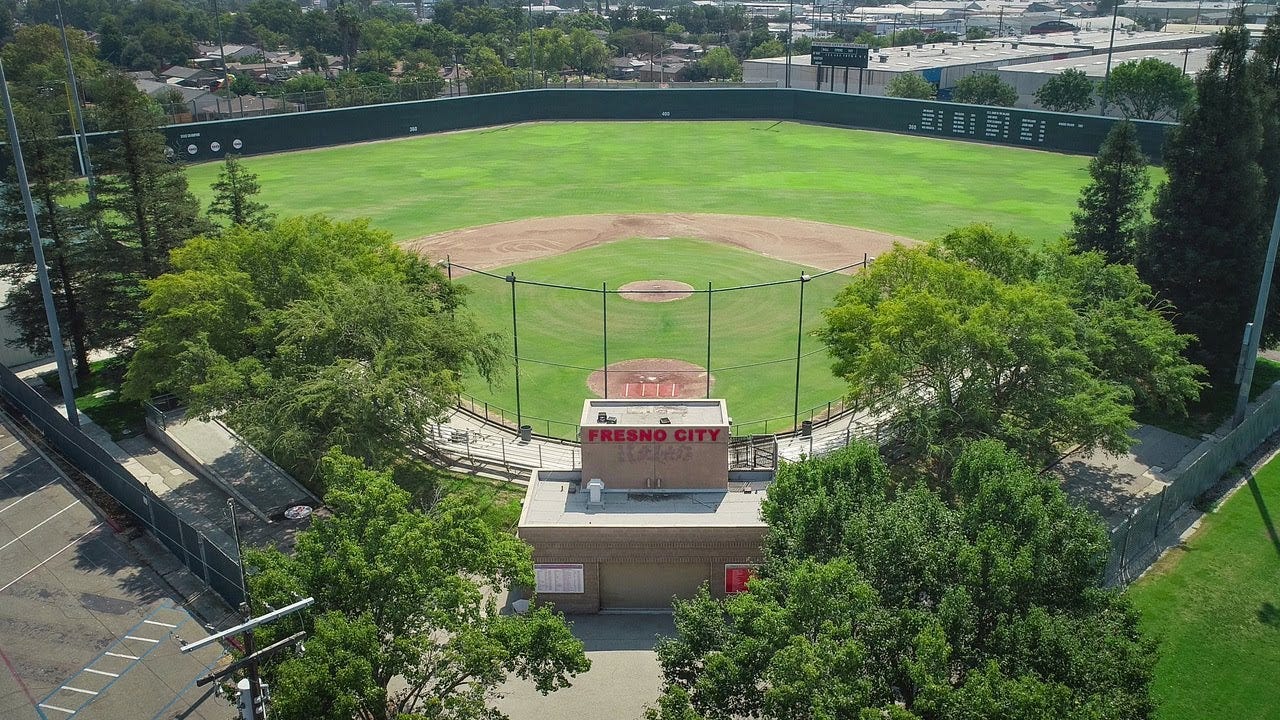
I redshirted my first year just because I was so small. Following season, my freshman year, it was kind of the same story: a couple of guys quit, they were getting into some bad things, weren’t interested in baseball. So there was a hole at short. And same thing, my glove, like, Clinton, he’s not the best hitter, but he can play defense. I got an opportunity and played. By the end of the season, my bat was starting to come around a little bit and did okay. Then my sophomore year, I did excellent. I just crushed it. I was a good shortstop, hit really well. At this point, I’m kind of normal size, 170 pounds, still small, but can operate on a regular field. And so then that’s kind of when things started to turn up, right?
Texas Tech reached out and I went to school there for a year. It was fun and great, but it was just time to leave there, so I went to Loyola Marymount and graduated from there. I was getting a lot of looks as an infielder and as a pitcher too. My arm started getting better, so I pitched at Loyola Marymount. I was going to get drafted and my coach was telling me that I was going to go somewhere in the teens, right? There’s 50 rounds.
Long story short, 50 rounds come and go. My name does not get called. Just pure devastation. Worst thing that could ever happen to me, right? And the Astros scout called me the next day and was like, Clint, I don’t know what happened, I was trying to go to bat for you with our director and they were just not listening. He’s like, stay in Los Angeles, stay in shape, and I’m gonna beat the drum for you here until we can get you in. I’m trying not to cry on the phone, you know what I mean?
And lo and behold, like two days before the draft, I had met a girl in Los Angeles and was like, oh, she’s cool or whatever. And so me not being sent to the Midwest somewhere to play minor league ball, I got to spend time with her. And she just happened to be in town, sort of a chance encounter from Louisiana. Long story short, we’re married now. I would never have met her had that gone to plan.
A few months later, the Astros finally did get me in as a spring training invitation. And then I did really well, got sent to a full season team and played in Lexington for a little bit. So that’s kind of the trajectory of my career. It was pretty cool, how the plan all works together. All the frustrations and transfers and letdowns, and then you’re like, that’s the best thing that happened that I didn’t leave at that point in time. It’s really fun to look back on that.
Looking back, it was all worth it. But in the middle of it, especially when you’re a tiny kid riding the bench in a small school, what kept you playing? I’m guessing if you were 100 pounds, you weren’t thinking MLB at that point, or anything close to that.
There was that fight between reality and, like, but I want to, you know what I mean? Quitting at no point was ever a takeable choice. It was like, we’re just going to keep wearing it and getting overlooked. If you were to interview my dad, boy, he’d say that sophomore year, I should have been playing more. He was thinking I was being overlooked just because of my size.
But it was really frustrating. It just goes to show how it was building something in me. I can look back on that now and not get so frustrated. Maybe it’s part of a bigger plan. Maybe this is helping me out in some way that I don’t know. I think, especially being small, I do remember the thought of like, man, if I could just get to normal size or close to it, what could I do? I could see a little spark of potential in myself. I was seeing guys that were doing well that were bigger than me, but I’m like, I could take him if I was a little bit bigger. It was always like, man, what would happen if I did wait this out and just see it through. That was what kept me going.
And then a door opens. There were several things where logic would have told you… like, that thing where it’s like you want to break up with her before she breaks up with you. That’s that way with baseball sometimes; I’m going to stop thinking about the big leagues because I’m not even starting on JV at my tiny little high school. But I just kept showing up and it gave luck a chance to land on me, if you want to call it that.
You sound like you were stubborn, but you don’t have the typical little-guy syndrome, you’re not angry.
I was at the time. There wasn’t a whole lot you could do about not being able to hit the ball far. I was hitting the weights, I did have a good work ethic. I was really strong pound for pound. Once I got up to older ages, I was shocked that some of my teammates didn’t have a regular work ethic in the weight room. And I look back, I’m like, if I had been normal size, maybe I wouldn’t have been so driven. Then you just become like a bad Division-I player and not all the way to pros.
That’s quite a story. Especially when you think about a single-A roster. Go through the lineup, look at the towns the players are from, they’re all the best players those places ever produced. They fought and struggled and practiced and kept pushing and got to the first rung of professional baseball. And like Clint, many don’t climb further than that, but just getting paid to wear a uniform is something every kid who plays dreams about. Every name on that roster, some of who you won’t think twice about, that’s their life’s work to that point to get there. And then at 25 years old or younger, they get spit out into the real world.
Post-playing Career and Baseball Notes
After your first year in pro ball, you kind of reached the end and you were only, what, 23, 24? You’ve got your whole life ahead of you. What was that like?
It was part relief and part terrifying. Because baseball had been your whole life. It’s the same for all my teammates, too. No one has any other plans. Everybody’s all in on baseball. I remember getting released and being super sad, but I remember having a real feeling of relief in a way. That hamster wheel I’ve been on of pressure and needing to perform and never having anything given to me. If you’re a first-round pick, you can struggle a little bit. I had teammates in spring training that were getting in shape in spring training. I’m like, I have to be getting my hits today or else I might get cut. Every day I felt like my life was on the line and having a break from that was, I hate to call it a relief, but it really was. I was ready for a break.
I moved to Louisiana where my girlfriend was at the time. I was looking at independent ball, it’s a pretty common route. I did a few tryouts, made a couple of teams, but I also was just like, maybe I’m done. I didn’t want to live in Alexandria, Louisiana all summer. Her job transferred her to Fort Worth. I went along with her because I was doing nothing. And then we got engaged shortly after. My dad ran a lumber company in Fresno. I grew up in it, and so he helped me start an online building materials business. It was kind of niche, ceiling beams and that kind of thing, and it was very slow growing, but it was something to get me in the real world.
I got into that and the phone wasn’t ringing. I was like, I don’t know how to do business at all. I started to read books for really the first time in my life. Every book that I read, it was fascinating, talks so much about mindset. And I’m sitting here trying to make money with my building materials. And I’m actually thinking to myself, man, this would have been really useful as a baseball player; these thoughts of imposter syndrome. The fact that when you start something, you feel like an imposter, that you don’t deserve it, you’re not worthy of it. That’s a thing. I just thought that was me.
Every level that I would go to, I felt that. I’m like, oh, I was good in junior college, but can I play in the Big 12? And then it’s the same thing every level I would go to. I had no idea that was just a normal deal. And so I was like, man, if somebody could have told me that back then, like, hey, you’re going to have these thoughts, don’t listen to them, don’t worry about it, here’s how we keep moving through it… that would have been really interesting.
For several years, I had these thoughts of, people should apply these success principles to baseball training for young kids, introduce them earlier. I didn’t do anything with it for a long time. It was haunting me in the back of my head. I think the little guy inside of me was still not wanting to poke my head out and say, hey, I’m a performance coach. But I was like, man, I think there’s a need there. It’s really feeling like a calling, I’d like to see how it goes. And that’s how Baseball Notes got started. They’ve been really, really helpful for people. So it’s been cool.

Most ex-players that start coaching, they start clinics, they’re doing the mechanics, they’re doing the fundamentals. Maybe now it’s starting to grow, but the mental game and your mindset, that wasn’t as big a thing back then. You saw the benefits, but how did you work to convince other people that yes, this is important, this will work, and starting to grow that?
I think that the dots that I connected were that people don’t want mindset skills, right? You could go to a baseball field full of people, hey, who wants mindset skills? They just keep walking. They want the gadget, they want a drill, nobody wants mindset skills. What I found when doing some research online, people were really struggling with, their kid does great in practice, but they struggle in games. They lock up, they overthink. And so when you can speak to that problem, you can get to people.
I graduated with a history degree, not psychology, not sports psychology. At first I felt that was a really big disadvantage for me. In hindsight, I look at it like, when I hear sports psychologists speak, often it’s like they’re giving a TED Talk. It’s almost like they’re speaking to their peers. They talk about different parts of the brain, the amygdala, the reticular activating systema, and they use these big words
People want a solution to their problem. Their kid is a mess on game day. I felt like I had personal experience with this. I was a pretty emotional player. Especially as a youth, I would cry, so much insecurity and doubt, and kept overcoming it. So I had personal experience. At that time, I had a son that was coming up through the ranks. So from several different angles, I felt like there was a problem that, I don’t say I had a solution for, but I had a different technique. Instead of more drills or just telling them to relax, here’s some new techniques that can solve your problem. There’s a need for that when you’re like, no one just wants mindset skills, but, I’ve got a problem, my kid’s a mess, I’ll listen to you there. It wasn’t very clinical or academic with how we talked about mindset.
When I was 14, I can’t think of how I would have reacted to a mental coach. I know it would have helped, looking back, but how do you relate it to them so they buy in?
It’s an interesting dynamic. Because the top of the funnel, I guess you could call it, is getting the parents to buy the program. So you’re talking about the problems that they’re seeing. Then once the kids are in, we made the videos. The first set of videos were just me lecturing, and they’re only like 6 minutes long. They’re short, but very meaty, but I try to keep them to where attention spans can get held. A few years ago, we redid them and made a more YouTube version, we act out a couple of the scenes with my kids and their friends. It’s really cool. It makes it much easier for them to watch.
The best feedback I hear from kids or parents relaying from their kids is that their kid says, that’s exactly how I felt. They felt like they didn’t have the words, or it can be embarrassing to talk about, to volunteer information that, like, I’m up there hoping the ball does not get hit to me in the outfield. That’s not the thing you want to just volunteer to people. Like you think everybody thinks I suck when they’re not thinking about you because they’re so busy thinking about themselves. So giving them that perspective of, maybe I’m being too hard on myself. And we give them real skills too.
And my story helps people, too. I make it very personal. I hit .201. I didn’t want to hit .200 in the minors. Every time I got a hit, I’m like, all right, that’s further away from .200. At the end of the season, I hit .201. And so it’s like I created this focus that was like a magnet. I think it’s a really good program for guys that are behind because you just want to quit. You’re like, well, I’m 8 years old, I’m 12 years old, and I’m not the guy, and so I guess that’s that. There’s so many stories like mine, where the guy who was the little guy in high school made it, had a career that you could be proud of. You just got to give yourself a long runway. It’s just difficult through those, 10-, 12-, 14-year-old ages when you’re undersized or your skills just aren’t quite matched up, you just want to quit.
You did hit .200, so that’s good.
The last day, I was hitting .200 and I had to play. If I go 0-1, I would have dropped to .199. To make sure that I got all my at bats so I could get that one hit, my coach hit me third. Normally I was hitting 9th for the last half of the season. And it was one of those little moments that, it’s just this throwaway moment in your life, but I remember it so vividly, how good I felt in the on-deck circle hitting third. It was like this mental permission to feel good. I even noticed it in the moment like, this is ridiculous how confident I feel right now because I’m the third hitter in the lineup. First at-bat, I hit a triple to get my hit for the day. Thank God. It was one of those things when you go back to mindset, I’m like, that was a really good thing for me as a mindset teacher now to experience. That coach put me third, but mentally I could have put myself in that spot.
What are your goals for the future?
There’s some interesting work that I’ve been doing the last six months or so. I’ve been feeling called to get my feet in the mud a little bit more with the mindset training. I feel like the power of your words is very interesting. You hear some studies have been done on placebo effects, it’s always fascinated me. I’ve kind of leaned into it a little bit more. We did a study with hitting, saying very good things about yourself, instead of saying, I suck, talking about, I’m a great hitter, I love hitting, this is fun. The goal was to increase their confidence. Their confidence went from like a 4.5 (out of 10) to an 8, it was a pretty strong improvement. It also improved their batting average. Collectively, it was 38 kids. They had about 1,000 at-bats collectively in the before camp and they hit .292. Over the course of the two weeks of this study, they did like 350 at bats and they hit .376 over that time. So really leaning into the power of your words, the power of your belief and how to hack it in a way of feeling better at the plate and letting those results flow out of that.
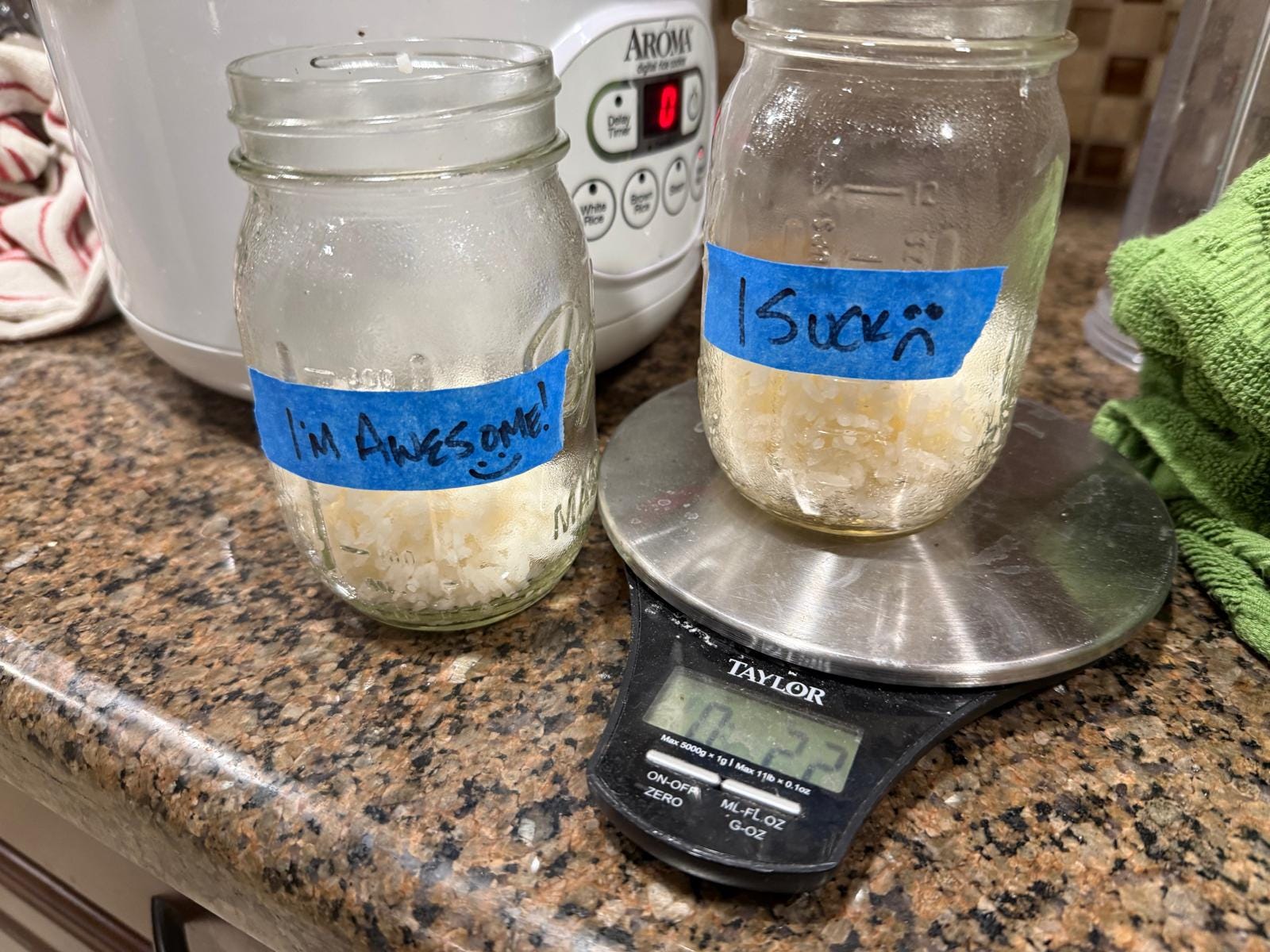
I read this book where it talks about, if you were to boil rice, and put it in two different jars, and you put a label on each one, and on one label, you say something negative, like I suck, and on the other one, you write I love myself or something, the rice in the negative jar like will rot faster. I was like, ain’t no way that’s true. Ain’t no way. So I just tried it. I’ve done it twice and it is absolutely true. I can’t explain exactly what it is, but trying to get these kids to ponder your words, positive or negative, might be influencing yourself in certain ways.
I have officially begun this experiment. I put 2.2 ounces of rice in each jar, we’ll see how it is a week from today (1/27):
The 2005 Lexington Legends
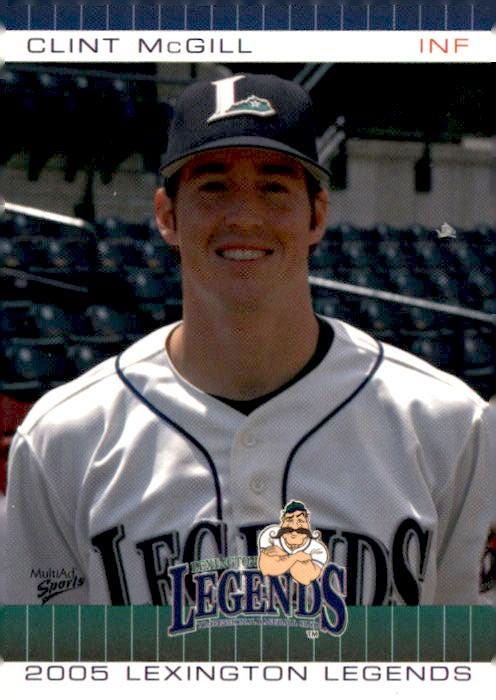
What was it like playing in the South Atlantic League?
Dude, it was cool. Lexington, that’s where University of Kentucky is, that was a cool town. It was really neat because they had host families. We stayed in an apartment, but we had these parents, grandparents, and they would make you meals before road trips. It’s a whole fan club. You’re in the pros now, these people are looking at you like you’re cool. That was a bus riding league. We weren’t flying anywhere. Lexington was on the far east side.
Most teams were coastal, ton in Virginia, some really long bus rides. Those are the things that I really miss. We’d play cards and stuff on the bus, pass the time with your buddies, talking trash to each other. There was a lot of really nice stadiums. There are also a few really old school ones. I don’t even know that they would exist now, where you’re showering and the water’s ankle deep, just nasty, everything’s backed up. Lake County is awesome, but a AA park. And then there’s other ones like, there’s a rat in my locker. I got to see a part of the country, I don’t know if I’d ever go to West Virginia otherwise and that’s a beautiful place. It was gorgeous. I wouldn’t have thought West Virginia looks like that. It was amazing. So thankful for the little travels that league provided.
You were on a team with some guys who went on to be pretty good big leaguers, Hunter Pence, Ben Zobrist. Did you see anything in them that, you could just tell they were going to be stars?
Yeah. The year that I didn’t get drafted was their draft. That was their first full season. There was a bunch of guys that made the big leagues, but those were the two that stuck and made names for themselves. Hunter was a different animal completely. I remember opening up a bank account for the first time in Kentucky, and my banker was like, tell me about this Hunter Pence guy we’re hearing about. Everybody in pro ball hit the ball hard, right? We could all hit home runs in batting practice to a certain degree. He hit the ball so much harder. Other teams, normally when we’re finishing up batting practice, the other team’s on the field starting to stretch, they would all stop and watch him finish up his round. He was a solid guy.
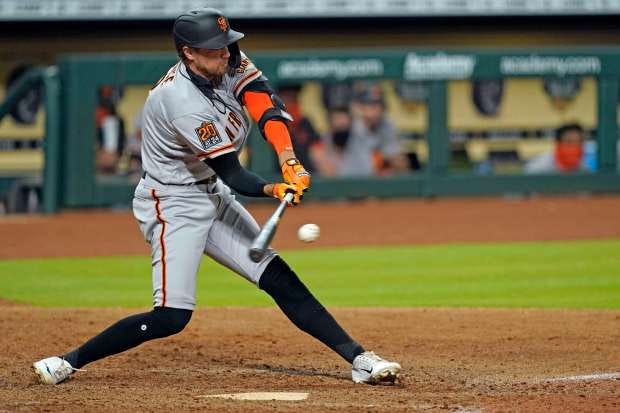
Ben was such a pro. He was one where skill-wise, if he was in the same batting practice group as me and the other infielders, and if a time machine took you there and said, we’ve got five guys, four of them aren’t going to play but a year or two in the minor leagues. One guy is going to be a World Series MVP. Which one is it? You’d probably have a hard time picking out who. He did great, but it wasn’t anything eye-popping, at least to my eyes. Defensively, he was good and solid, very consistent, but didn’t have just this Howitzer arm or anything. But Ben was so mature at the plate. I felt like he had a plan. He would take pitches because he was looking for his pitch. He was a pro as a hitter.
He was a good example for me. I was just up there seeing it and hitting it. I was like, if this pitch is a strike, I’m going to swing at it. And then I’m chasing the slider. I felt like he was like, I’m looking for this guy’s slider. And if this guy throws me a fastball down the middle, I’ll take it because I’m not ready. He just had a different level that was just natural for him. He had gotten off to a real slow start in the season and I was like, all right, here’s my chance, they’re going to start starting me over him. And the coaches stuck with him, and good job by them, because then he started really doing well and never really stopped. So another excellent guy. He was a very high caliber man. So it’s fun to watch him do well, he was a very kind person. He was like a veteran as a rookie, if that makes sense.
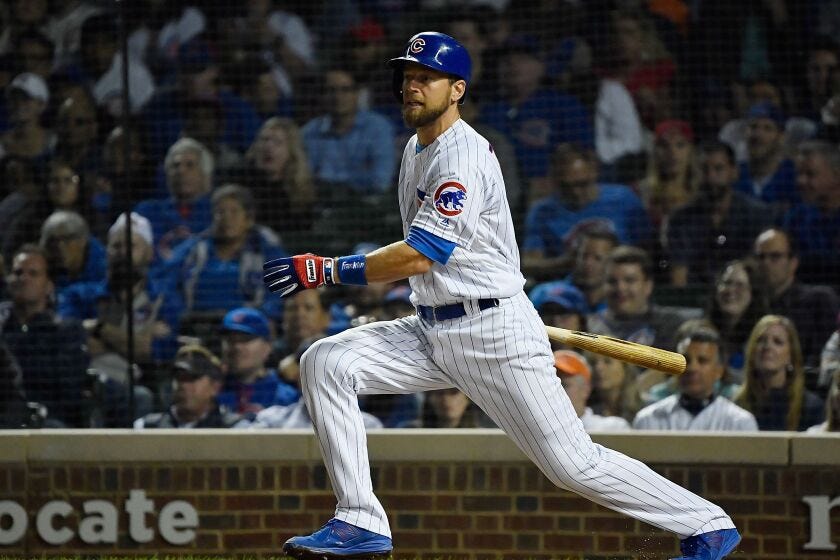
That’s awesome. Pence was a legend in San Francisco, they still love him out there.
It’s amazing. It’s funny, I don’t remember him being that outgoing in the minor leagues. I remember he bought a traveling PlayStation, he would keep to himself and play video games. Always nice and kind, but wasn’t leading the room in rallies and getting fired up. He seemed like he really started coming out of his shell later on. I think there’s a responsibility to that, too, as you’re one of the better players with the Astros and Phillies and then the Giants, if you try to take a back seat, who’s taking the front seat? You want your best guys leading the charge. So it was cool to watch that come out. But it’s funny, I watch him now and I’m like, I don’t know that Hunter.
He had 25 homers in 80 games for you guys.
I haven’t talked to him since, but I would ask him, did you ever play better than that? Like that was like Bonds-ian levels. I remember he hurt his hamstring down the home stretch. So we’re in this playoff home stretch trying to win the division and he got hurt. He finally comes back, in one series, I think he hit five home runs in three games or something. It was like, The Natural, Roy Hobbs. We’re just wanting a couple hits, maybe a home run or two, and he was like Bonds coming in. I wonder if he would ever look back and if had a stretch that was hotter than that time in Lexington. He was unbelievable at that time.
I had a lot of fun meeting Clint, especially hearing his baseball journey and how he continues to give back to the sport. And afterward, I started thinking about myself and how the things I think I’m good at, I tend to do better at versus the things I think I’m bad at. I don’t think realistically I’m that great at defense in baseball, but I think I am. So it feels like I make plays I normally don’t see made, but also I tend to ignore the errors or misplays more because I know I’m better than that. But then I always have horrible hitting stats even though I can hit well in the cages, because I think I suck at hitting. Or in hockey, I think I’m a good passer and always rack up assists, but never score goals because I think I’m terrible at it. I tried reframing that thinking last game and pictured myself scoring a goal, and sure enough, I got one (though that goalie was letting everything in, still counts).